In the previous article you were introduced to three new particle attributes:
- Size
- Mass
- Color
And as promised, you are about to learn a pair of attributes that will give you even more control. And they are:
Life
This attributes controls how long the particles will exist in our simulation.
I am certain you don’t need a visualizer for this one.
So, onto the next:
Age
When we spawn a new particle, its age attribute begins to keep track how long it’s been “alive”, and when this attribute becomes greater than its life attribute the particle will be killed.
We can see the age for each particle increase as they continue to exist in our system.
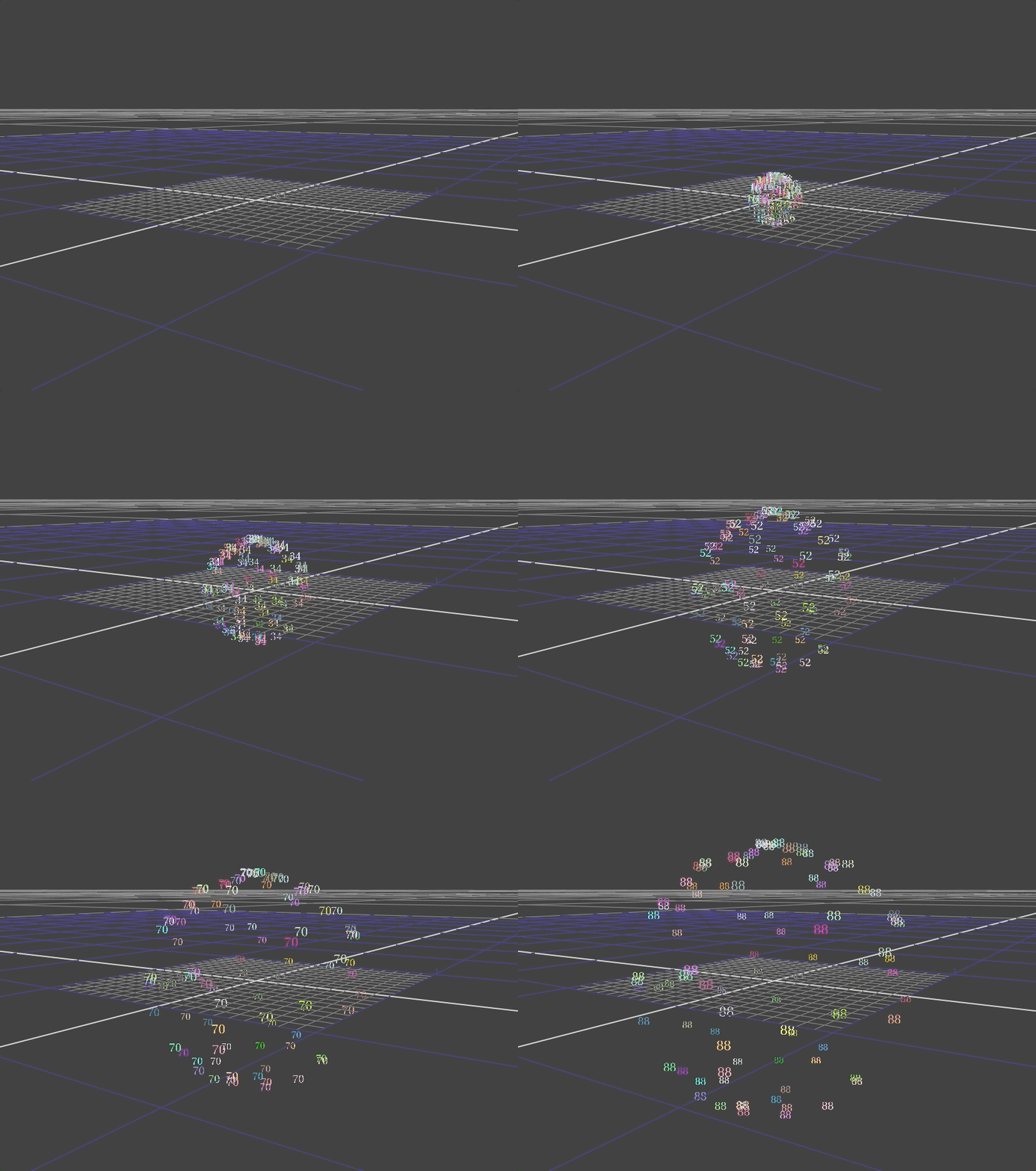
Using age or life alone is not very exciting, you can instead creatively use their relationship to add more complexity.
In the next two examples, the age and life attributes are used in conjunction to output an ascending or descending value:
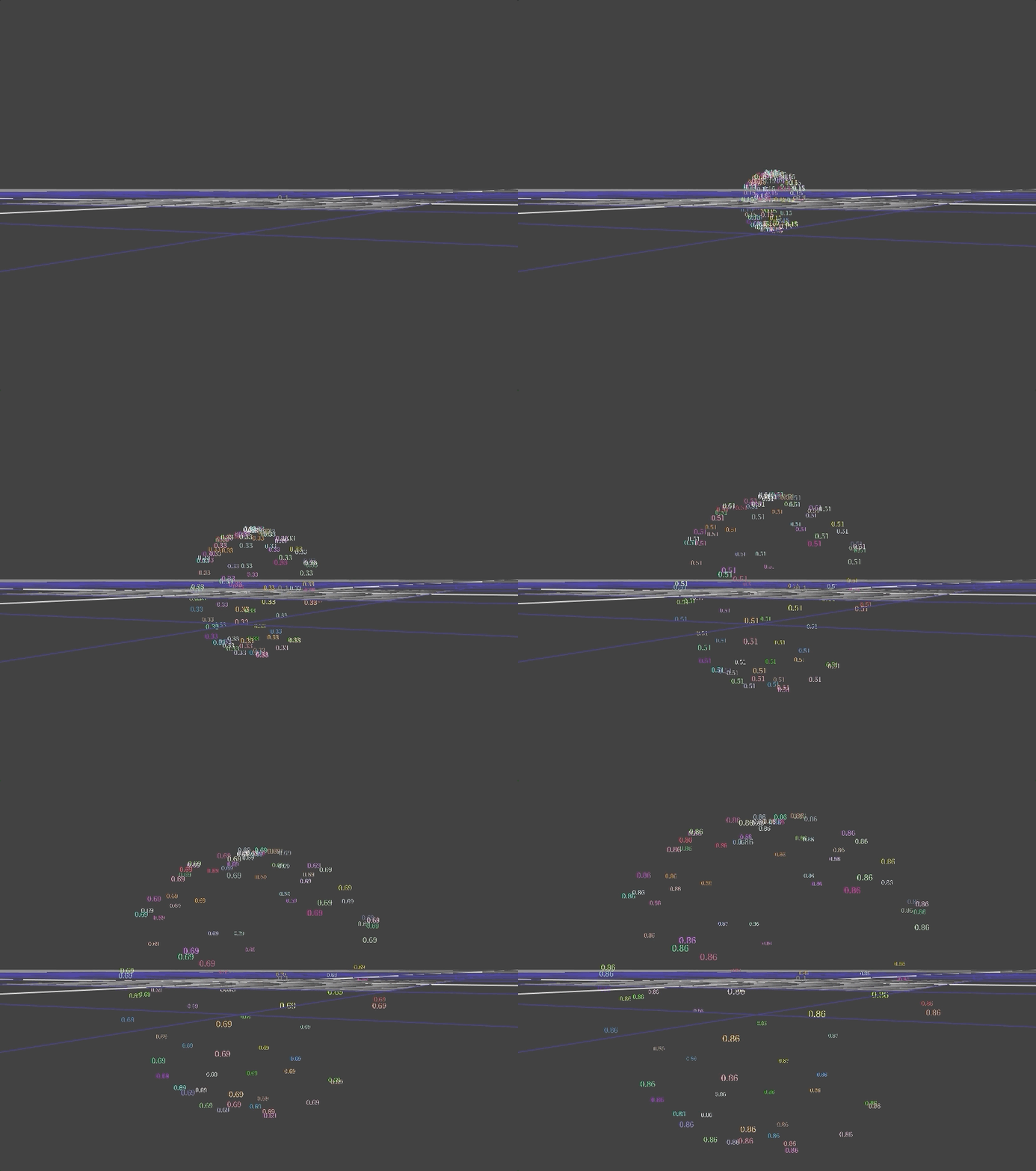
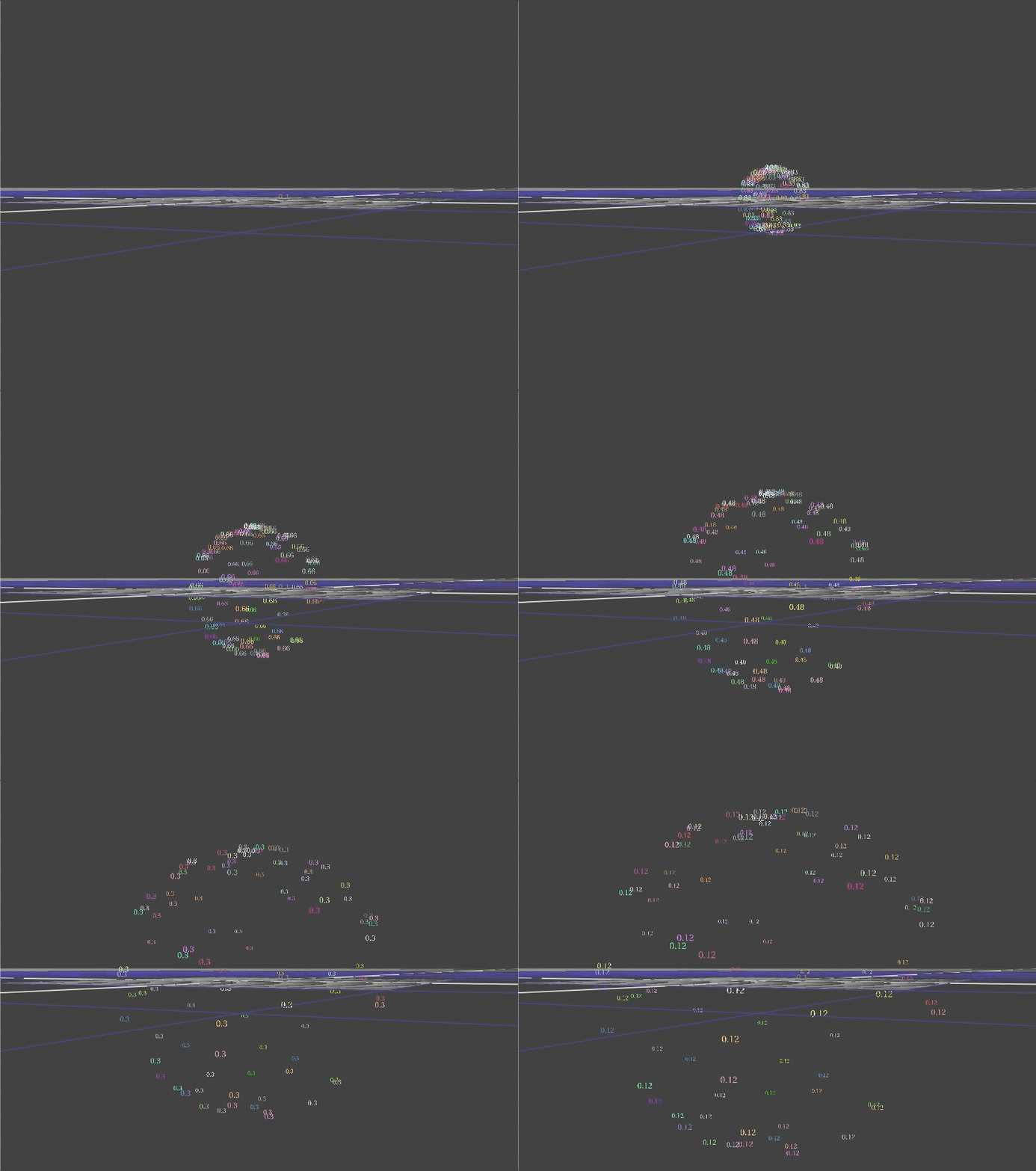
We can use these values in any part of particle system, but most often you will be using it to control the size attribute to shrink or grow.
In the flames simulation below, the growing of the flames are driven using the ascending output from age / life. The flames won’t look as convincing without this growth in size.
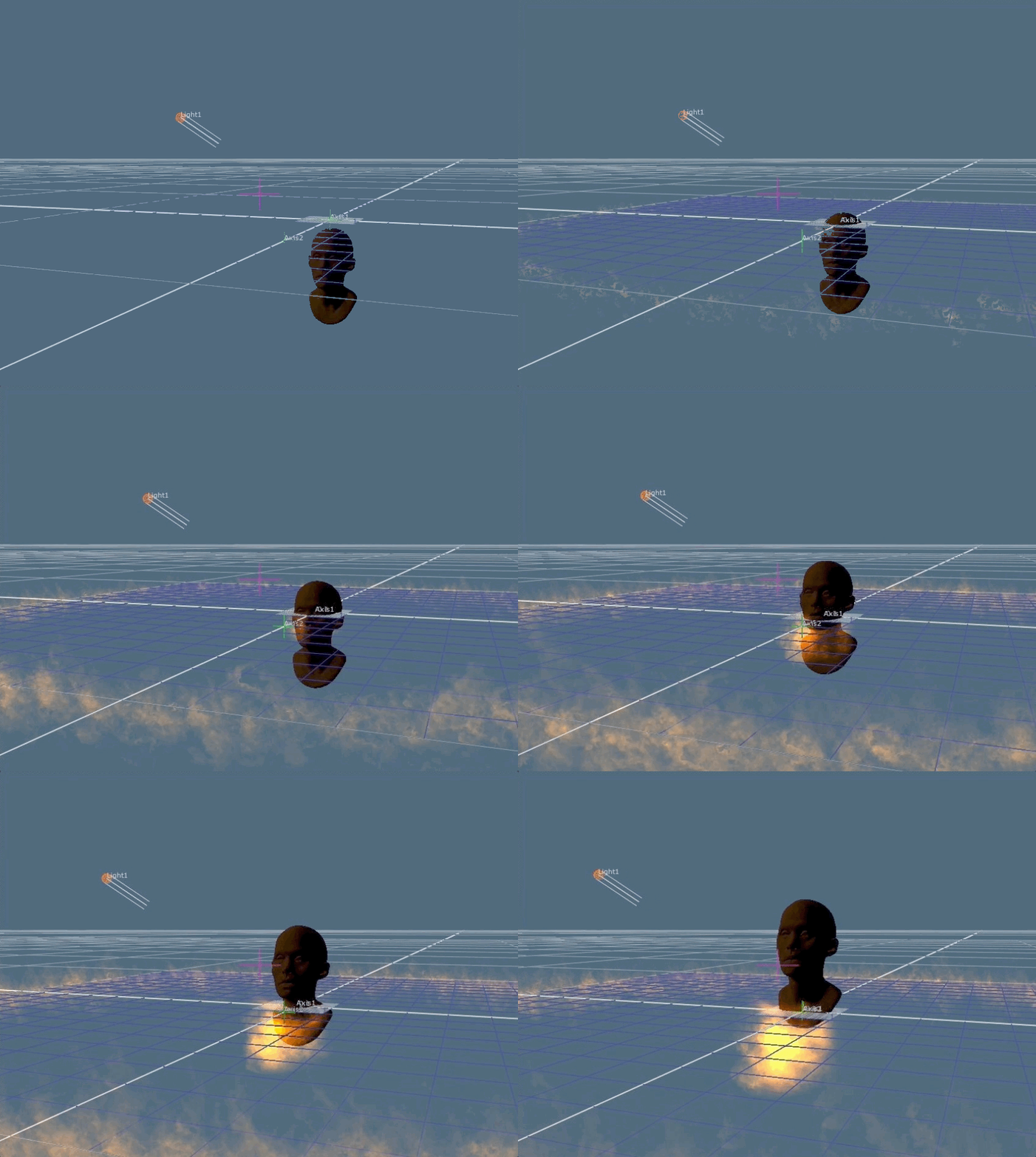
And here’s the render:
All done in Nuke!
So there we have it, you now know all the important attributes of particles!
A brief word about the particle rotation:
Particles inherently do not have rotation attributes as they are only positionally aware. This is one of the reasons why they’re so fast to work with.
We’ll look at some solutions to combat this obstacle and the new challenges that comes along with the solutions.
Hopefully you’ve began to see the power of particles and how easy they can be manipulated to create awesome elements for compositing. Once we master the main concepts we can say “goodbye” to the frustration of having stock elements go out of frame!
In the next article you’ll dive deeper into some technical expression writing to push our particles even further, but it won’t be anything you haven’t done before.
I promise!

 input + output